Individuals with copper allergies, those frequently engaged in high-impact physical activities, people sensitive to cultural traditions, and wearers preferring low-maintenance jewelry should generally avoid turquoise. Key considerations involve potential skin reactions, stone fragility, cultural nuances, porosity issues affecting appearance, and treatment methods altering authenticity.
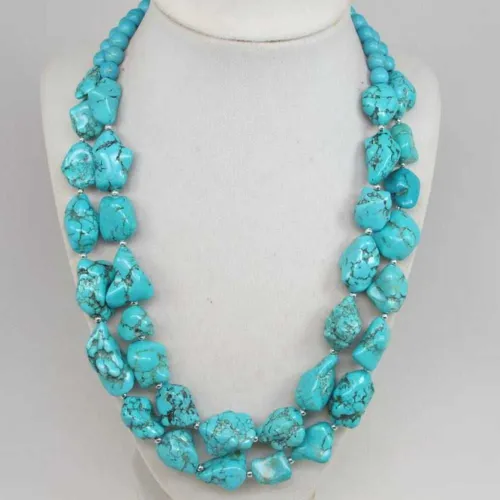
Imagine you’ve cherished that beautiful turquoise ring passed down from your grandmother. You wear it daily, admiring its sky-blue hues—until one afternoon, your skin develops an unexpected redness beneath the stone. Or consider a friend who proudly wore a turquoise pendant during basketball practice, only to find it chipped after an accidental collision. Turquoise carries complex realities beneath its captivating surface. While often seen as universally appealing and protective, its material composition and cultural significance shape important boundaries for wearers. This guide explores why certain individuals might reconsider turquoise, from copper-related sensitivities to unexpected fragility and cultural perspectives. We’ll move beyond common assumptions into practical insights for smarter wearing choices.
• Who may experience skin reactions to turquoise?
• Why might active lifestyles risk damaging it?
• When does cultural context affect its wearability?
• How does porosity impact appearance and care?
• What differences exist between natural and treated stones?
Many believe turquoise is safe simply because it’s natural, assuming earth-formed minerals inherently suit all skin types. This view often overlooks a critical component: turquoise consists primarily of hydrous copper aluminum phosphate. Its signature blue-green tones come partly from copper content embedded within its crystalline structure.
Copper elements within turquoise can react with sweat and skin oils over time. For individuals predisposed to metal allergies, this may trigger irritation. Symptoms like localized redness, itching, or contact dermatitis can appear where the stone touches the skin. While not universal, copper-sensitive individuals may experience discomfort when wearing untreated stones against their skin during daily wear.
Wear the piece for short periods initially. If redness emerges under the stone during this trial, it might suggest copper sensitivity.
Examine how your skin feels after removing the jewelry. Lingering itching warrants caution with similar pieces.
Touch the stone surface lightly for unexpected chalkiness, which could signal high porosity increasing absorption risks.
A common assumption casts turquoise jewelry as tough companions suitable for any lifestyle. Visuals of indigenous jewelry worn for generations reinforce this idea of resilience. However, turquoise rates 5-6 on the Mohs hardness scale—significantly softer than quartz or even everyday steel keys that might scratch it.
Carrying groceries, typing, sports, or manual labor exposes turquoise to unexpected impacts. Unlike harder gemstones, its brittle nature makes it susceptible to chipping or even fracturing upon sharp knocks. A bracelet worn while gardening or a ring kept on during weightlifting could easily sustain permanent damage that’s cost-prohibitive to repair.
Check if the stone sits securely within a raised metal bezel setting, which protects vulnerable edges from bumps.
Avoid dangling pendants during physical work where they could swing and strike hard surfaces.
Listen when gently tapping it with plastic; a dull rather than sharp ring indicates natural stone integrity.
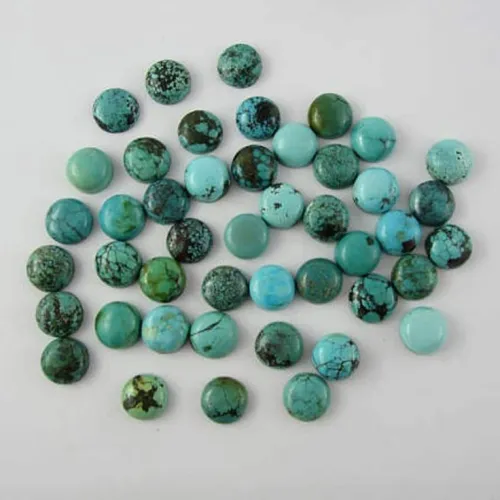
Globally marketed as a protective or lucky amulet, turquoise carries deeper cultural tapestries often simplified for mainstream consumption. While revered in many traditions—from Tibetan protection symbols to Navajo jewelry—its use follows intricate rules specific to communities.
Some indigenous traditions discourage wearing turquoise during mourning or grave visits, viewing its vibrant energy as conflicting with solemn moments. Persian heritage associates the stone with prosperity in wedlock, potentially making solo wear culturally awkward in certain social contexts. Honoring such nuances means recognizing turquoise isn’t always universally “positive” across cultural spaces.
Photographs and museum exhibits often portray timeless specimens, creating expectations that natural stones remain unwaveringly vibrant. But turquoise’s porous structure allows oils, lotions, and even humidity to seep in slowly.
Exposure to chemicals like perfumes or hairspray can alter appearance over years, sometimes muting blue tones toward greener shades. Direct sunlight may cause subtle fading. This isn’t “damage,” but a natural characteristic revealing why some untreated stones develop richer patinas while others show unstable hues.
Look under varied lighting—natural daylight might reveal subtle variations artificial light obscures.
Notice if surfaces absorb water droplets quickly, indicating high porosity needing careful handling.
Compare color consistency across the stone. Uneven tones suggest natural material reacting uniquely to environmental factors.
Buyers often idealize “untouched” turquoise as requiring minimal upkeep—a myth potentially leading to unexpected changes post-purchase. In reality, unstable stones undergo stabilization: resins fill pores to enhance durability and color retention, a standard industry practice.
While stabilized options resist absorption-related changes, they may feel slightly plastic-like or display unnaturally uniform colors without natural matrix intricacies. This isn’t inferior—just different, offering practical advantages for regular wearers but possibly disappointing those valuing the stone’s wild geological character.
Feel luster variations under light—waxier surfaces often indicate untreated stones
View veining patterns closely using magnification. Complex matrix patterns ("spiderwebbing") signal natural stones, while stabilization might blur them
Check weight against expectations—overly light specimens sometimes signal synthetic imitations
Let’s bring clarity to those jewelry box dilemmas. Remember: The goal isn’t to dismiss turquoise altogether, but to wear it consciously where it aligns with your life.
Notice how your current jewelry habits mesh with turquoise’s needs. It might simply mean choosing intentional moments, settings or care routines.
How to pronounce turquoise properly? Commonly pronounced "TER-kwoyz" or "TER-kwaz," reflecting its French origins meaning "Turkish stone."
Why avoid turquoise with sensitive skin? Copper traces may contact skin, potentially triggering reactions like redness or swelling in those with existing metal sensitivities.
Can turquoise get wet without damage? Brief water exposure (like handwashing) poses minimal risk, but prolonged soaking may affect highly porous stones' color saturation.
What care steps maximize turquoise longevity? Wipe surfaces after wear, store covered to prevent surface scratch accumulation, avoid ultrasonic cleaners, and minimize cosmetic contact.
Is turquoise ethically sourced nowadays? Always ask sellers about provenance. While US-mined stones carry traceability benefits, ethically sourced options might influence pricing.


$
