No, teal and turquoise are two distinct colors in the blue-green spectrum. Teal is typically darker with stronger blue dominance (HEX #008080), while turquoise is lighter with balanced green-blue undertones (HEX #40E0D0). Digital color standards and spectral studies confirm measurable differences in their wavelength characteristics.
Imagine standing in an art gallery, debating whether that Mediterranean-inspired ceramic bowl uses teal or turquoise glaze. Or trying to coordinate home decor while wondering why that cushion looks subtly "off" against your walls. Like many, you might assume these shades are identical twins in the color family. The truth? They're more like cousins with distinct personalities. Throughout this guide, we'll unravel why these colors behave differently under sunlight or artificial lighting, how their origins influence modern perception, and what simple tests help you spot the divergence without specialized tools.
Does shifting daylight dramatically alter these colors?
Why do digital displays show clear differences?
How can fabric dyes reveal hidden variations?
Does turquoise naturally vary more than teal?
What scientific principles explain the separation?
You might casually swap "teal" and "turquoise" when describing ocean tones or retro decor, assuming both names represent a single blue-green hue. This happens partly because many modern products inconsistently label colors, making linguistic distinctions feel arbitrary. People often perceive them as interchangeable labels for similar visual experiences.
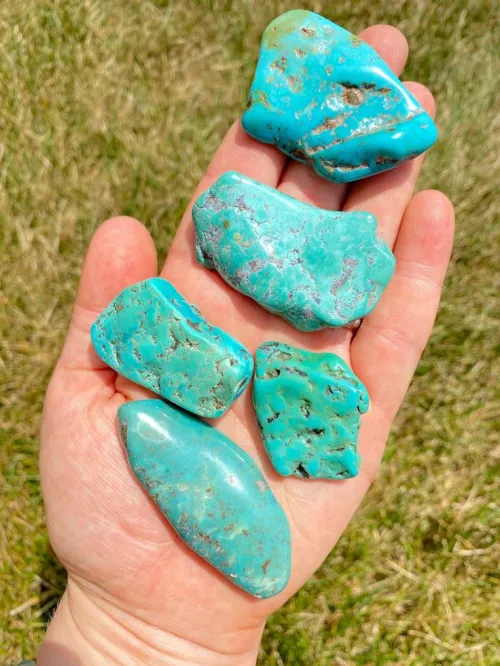
In reality, their origins reveal deeply different identities. Teal enters our vocabulary through nature – named after the common teal duck's distinctively dark, blue-tinted neck feathers. Turquoise traces back to mineralogy and ancient craftsmanship, derived directly from historical turquoise gemstones with their signature bright cyan-green radiance controlled by copper and iron impurities. This foundational separation sets the stage for ongoing differences.
At first glance, both colors seem to occupy a near-identical space on a standard wheel. Human vision perceives them as similar blends within the blue-green transition zone. Many argue they're indistinguishable without direct side-by-side comparison.
Scientific measurements reveal objective divides. Digital models assign teal to #008080 (low-brightness balanced blue-green) and turquoise to #40E0D0 (high-lightness cyan-tinged mix). Spectral analysis shows teal reflecting light near 490nm wavelengths while turquoise peaks around 500nm. These translate to tangible shifts: teal typically carries 20-30% heavier blue saturation with 15-20% lower lightness values than turquoise.
Sunlight Test Place samples flat under midday sun against white paper. Notice how turquoise bounces back a vibrant sea-green sparkle while teal absorbs more light, leaning toward deep cobalt.
Paint Mixing Behavior Recreating teal pigments requires generous amounts of blue base with minimal white. Turquoise mixtures demand equal green-blue proportions with brightening additives.

Most believe paint chips or fabric samples retain absolute color integrity whether viewed by candlelight or fluorescent bulbs. This assumption leads to frustrating inconsistencies when choosing home colors under different conditions.
In controlled tests, each shade reacts uniquely to light shifts. Teal tends to reveal veiled green notes in soft indoor lighting but deepens to navy in unlit corners. Turquoise pulls stronger blue tones during bright daylight due to wavelength absorption patterns yet sometimes exhibits washed-out greenish casts under artificial lamps. These variations aren't flaws – they reflect inherent spectral properties.
We often expect wall paint, clothing dye, or digital displays to identically render teal and turquoise. Manufacturers sometimes reinforce this by using oversimplified naming. People consequently underestimate how texture and chemistry affect appearance.
Material science paints a dynamic picture. Natural turquoise stones display unique matrix veining that creates organic irregularity, whereas synthetic teal pigments achieve uniform coverage. Textile tests reveal turquoise dye often needs special primers for rich coloration, while teal penetrates deeply without assistance. Even durability diverges: teal pigments demonstrate better UV resistance in color fading studies, with certain turquoise finishes degrading 20-40% faster under intense light exposure.
Gemstone Inspection Genuine turquoise rarely appears perfectly homogenous. Magnification typically reveals mineral inclusions or matrix patterns unlike manufactured teal items.
Reflectance Levels Light meter measurements consistently show turquoise reflecting 10-15% more light than teal. Test your own items measuring >500lx for turquoise qualities.
Before concluding which color you’re dealing with, try this quick exercise: save HEX#008080 and #40E0D0 side-by-side on your phone wallpaper. Notice how your perception shifts at breakfast versus dusk. Or test household items by placing them near a north-facing window with natural daylight – observe when blues deepen or greens emerge over 15 minutes. These observations become your reference library for distinguishing subtle variations. Consider keeping a small sketchbook noting lighting conditions versus observed shifts.

Q: What's the actual wavelength difference between teal and turquoise?
A: Scientific measurements place teal around 490nm and turquoise near 500nm. Though small, this 10nm gap creates perceptible hue differences under proper lighting.
Q: How can I test if fabric uses true turquoise dye?
A: Examine it under both natural daylight and cool white LED lights. Authentic turquoise pigments typically shift toward green in artificial lighting whereas dyed teal remains consistently blue-dominant.
Q: Why does turquoise dominate historical artifacts but teal in modern designs?
A: Turquoise's mineral origins connected it to ancient craftsmanship traditions, while teal pigmentation stabilized with 20th-century synthetic dyes. Modern designers favor teal's versatility in digital environments.


$
