The color of turquoise naturally varies from sky blue to apple green based on mineral composition. Copper creates its signature blues while iron introduces green tones, with geological conditions determining the final hue. Authentic stones show subtle color variations rather than artificial uniformity.
Imagine holding a turquoise bracelet inherited from your grandmother. You've always described it as "sky blue" – until your friend insists their turquoise ring is distinctly green. This common confusion reveals how our expectations clash with the gem's geological reality. Turquoise doesn't owe its color to simple dye or artistic choice, but to underground chemistry playing out over millennia. In this guide, we'll decode why its color range surprises so many buyers, explain what your jewelry might actually be telling you about desert mines, and reveal how lighting can trick even trained eyes. You'll learn to spot natural stones versus treated imitations through subtle clues most collectors miss.
How turquoise defies the "always blue" myth through mineral science
Why Persian blue stones cost more than green Southwestern varieties
How stabilization treatments alter color perception
Why lighting transforms the same stone before your eyes
What dark veins reveal about authenticity
Most assume turquoise maintains a uniform bright blue like tropical waters. This expectation stems from commercial jewelry photography where stones appear consistently vibrant under controlled lighting. Cultural symbols like Arizona license plates reinforce the blue stereotype.
Authentic turquoise displays diverse natural hues from robin's egg blue to sage green due to mineral impurities. For instance, pure blue forms when copper dominates in dry copper-rich regions like Iran, while iron infiltration near Arizona mines creates greenish tones. These variations demonstrate geology actively painting each specimen rather than delivering factory-standard colors.
Many believe color preference is purely subjective – that green turquoise holds equal worth to blue. This assumption ignores geological scarcity. Collectors may prefer forest greens personally but pay premiums for blues.
Copper creates rare sky blues found in under 20% of mines globally, while iron-generated greens dominate most deposits. High-copper Persian specimens command up to 30% higher values than iron-rich American turquoise. This premium reflects both rarity and historical associations with Persian craftsmanship since ancient Mesopotamian times.
Spot copper dominance: Examine stones under morning light against white paper. Pure blues show zero green undertones.
Verify origin markers: Iranian deposits typically lack matrix veining while Nevada stones show black spiderweb patterns.
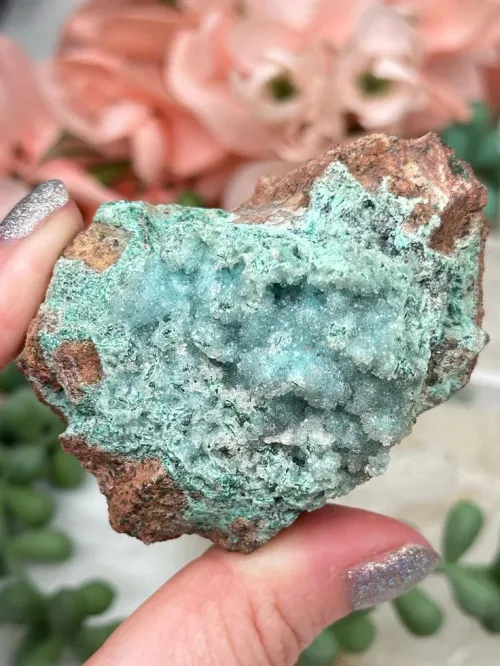
Shoppers often expect all turquoise exhibits natural intensity straight from the earth. This overlooks standard industry practices that modify appearance before pieces reach showcases.
Stabilized stones appear more uniformly vibrant after resin infusion fills porous areas that would naturally absorb light, while dyed howlite imitations show pigment concentration cracks under magnification. Unstabilized high-grade pieces display deeper color transitions but require careful handling. Over 90% of commercial "turquoise" undergoes enhancement – a crucial detail hidden behind "natural" labeling.
Surface inspection: Angle light across the stone at 45°. Resin-treated surfaces lack natural micro-pore shadows.
Condensation test: Breathe lightly on the surface. Natural stone holds fog 2-3 seconds longer than stabilized alternatives.
Consistency clues: Rotate under strong light. Dye pools near fractures in fakes; natural stones show organic color clouds.
Customers frequently believe turquoise color remains constant in any setting. This misconception leads to post-purchase surprises when jewelry looks different at home versus the store.
Natural north light reveals true undertones by providing full-spectrum illumination. Incandescent bulbs emphasize green notes through warmer wavelengths, while fluorescent lights mute blues by overwhelming cool frequencies. The same Persian stone may appear icy blue at a jeweler's window but slightly teal under candlelight – an optical effect documented in gemological studies since the 1970s.
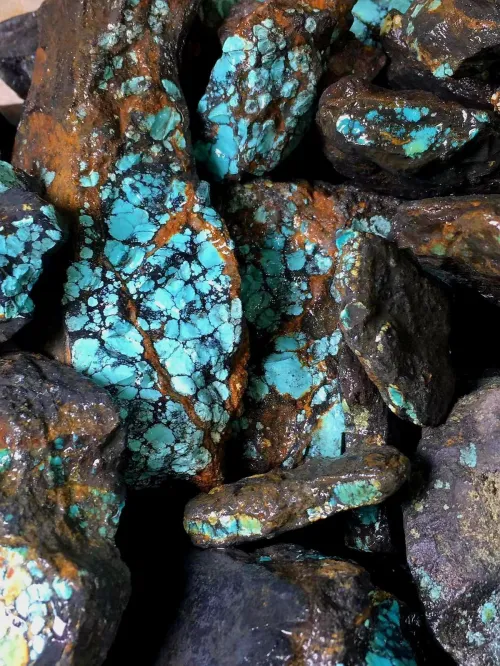
First-time buyers often mistake the brown/black veins (called matrix) for flaws or signs of fakes. This perception comes from synthetic stones that either lack veining or show unnaturally sharp patterns.
Matrix forms when turquoise crystallizes around host rocks – a geological fingerprint confirming authenticity. Spiderweb patterns increase value when the dark veins form delicate lace-like networks without structural weaknesses. A 2021 market analysis showed high-grade spiderweb turquoise appreciating 12% annually, outperforming uniform blue stones. The contrast between veins and gem actually enhances visual depth when skillfully set.
Edge examination: Inspect under 10x magnification. Natural matrix blends into the stone like tree roots in soil.
Integrity assessment: Check for chalky textures at vein junctions indicating structural weakness.
Now that you see turquoise's color complexity, apply these field-tested guidelines: First, prioritize subtle variations over perfect uniformity – nature's fingerprint indicates authenticity. Second, verify stone origins through color clues: Iranian blues lack matrix, American stones show earth-toned veins, Chinese varieties have yellow undertones. Finally, test before trusting: breathe on suspect stones to judge porosity, rub with a damp cloth to expose dyes, and always inspect across multiple lighting conditions.
Want to sharpen your eye? Tomorrow, examine one blue object in morning light and evening light – notice how it transforms. This simple practice hones your perception for your next turquoise encounter. Remember: the finest choices honor geological truth over artificial perfection.
Q: Why does antique turquoise sometimes turn greener?
A: Copper-based blues absorb UV light over decades, triggering subtle dehydration that shifts toward green tones while stabilized stones resist this change. Exposure history matters more than age alone.
Q: How does setting metal affect perceived color?
A: Yellow gold intensifies green undertones through warm reflections, while platinum and silver heighten blue perception by mirroring cool tones. Always view stones loose before setting.
Q: Do Persian mines still produce blue turquoise?
A: The Neyshabur in Iran's northeast continues yielding prized sky-blue material, but output depends on seasonal groundwater flow intersecting copper seams. New finds show similar chemistry in Afghanistan and Tibet.


$
