The price of turquoise varies significantly based on quality and characteristics. Natural, high-grade stones can command premium prices while stabilized or lower-grade variants remain affordable. Value hinges on specific factors including color saturation, geographical origin, treatment methods, and structural integrity rather than just size or perceived rarity.
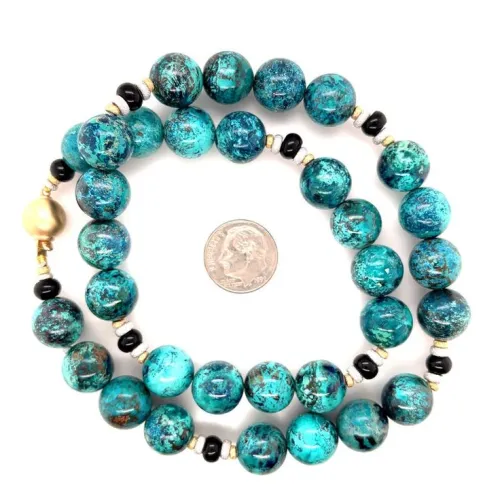
Picture yourself standing before a jewelry display. Your eyes land on three turquoise rings: a vibrant sky-blue stone priced at $300, a greenish piece at $40, and a flecked specimen around $120. Why such dramatic differences for the same gem? This uncertainty stems from widespread misconceptions about what truly makes turquoise valuable. Whether you're considering an heirloom purchase or simply appreciating earth's artistry, this guide demystifies turquoise economics—separating romanticized assumptions from mineralogy-backed realities across six crucial dimensions.
Does turquoise's gem status guarantee high prices?
Is brighter blue always the most desirable?
Are natural stones superior to treated varieties?
Why do origins like Persia command premium prices?
How does stone size impact real-world value?
Can affordable turquoise still be authentic?
Many assume turquoise universally commands luxury prices due to its status as a semi-precious gemstone. This perception often stems from seeing high-ticket antique pieces or celebrity-worn jewelry, creating an illusion of inherent exclusivity across all market tiers.
Reality shows a broad pricing spectrum. Stabilized turquoise—where polymers enhance durability—dominates 80% of mass-market jewelry, often costing less than $50 per carat. Comparatively, untreated natural stones with consistent color and minimal flaws can exceed $300 per carat. The key differentiation lies in porosity: stones requiring stabilization tend to be softer and cheaper, while naturally dense specimens maintain premium pricing independent of treatments.
Popular narratives suggest vivid "robin's egg" blue represents universal peak value. Tourist-focused marketing and Hollywood portrayals reinforce this singular ideal, obscuring nuances in regional preferences and mineral composition.
While copper-rich sky-blue hues attract collectors, secondary factors significantly sway valuation. Iron-contaminated green turquoise—though usually 30-50% more affordable—finds strong adoption in Southwestern U.S. designs. Matrix patterns also alter desirability: uniform "spiderweb" veining can increase worth, whereas blotchy inclusions reduce appeal regardless of base color. Ultimately, saturation consistency matters more than the blue-green spectrum alone for discerning buyers.
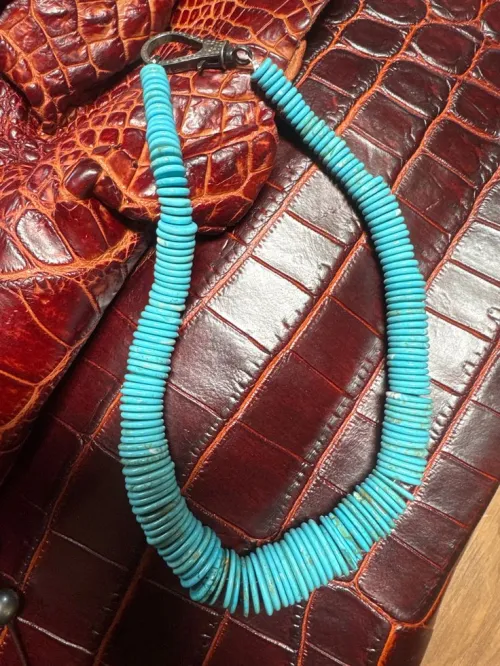
A pervasive myth claims authentic turquoise arrives completely natural—untouched by enhancement processes. This belief persists partly due to misleading terms like "pure" in marketing materials and general unfamiliarity with gemological practices.
In actuality, stabilization treatments apply polymer resins to approximately 4 out of 5 commercial stones, improving durability for everyday wear while lowering costs. The crucial distinction? Stabilized turquoise remains mineral-based, unlike outright fakes like dyed howlite. Unenhanced specimens represent just 10-15% of the market, requiring careful storage away from cosmetics and direct sunlight to avoid discoloration or degradation. Modern gemology considers stabilization ethical when disclosed—it's vastly different from undisclosed waxing or dyeing used to mask inferior materials.
Historical prestige suggests Persian (now Iranian) turquoise inherently outranks others. Auction records for vintage Persian pieces and legendary mines like Neyshabur fuel assumptions that geography solely determines worth.
While Iranian deposits historically produced renowned copper-blue stones, contemporary valuation accounts more for current quality than legacy. An Arizona Sleeping Beauty mine stone with consistent cerulean coloring may outvalue a flawed Persian specimen. Interestingly, Chinese and Mexican sources increasingly provide mid-range alternatives with competitive visual properties at 40-60% lower premiums. Rarity operates hyper-locally too—a depleted Nevada mine’s stones might eclipse active producers’ output in collectibility despite similar hues.
Conventional gem wisdom suggests larger stones automatically hold higher per-carat prices. Auction headlines spotlighting massive specimens reinforce this scale-focused mindset across jewelry categories.
Turquoise valuation fundamentally differs. Beyond 8-10 carats, inclusions and color inconsistencies sharply increase, often reducing total worth more than size enhances it. Instead, texture uniformity commands premium pricing: stones displaying even micro-crystalline structures under 10x magnification outvalue larger grainy pieces. Carat weight plays a secondary role—fine, dense material under 5 carats frequently sells at higher premiums than flawed museum-sized specimens.
Many shoppers assume bargain prices definitively indicate fakes or imitations. This instinctive distrust often stems from counterfeiting scandals in porous gem markets.
Lower-cost sales frequently involve legitimate stabilized stones rather than outright fraud. Detecting synthetics instead requires methodical observation:
Surface Pattern Verification Observe webbing patterns under 10x magnification: genuine matrix shows organic fractures while dyed composites display uniform absorption.
Weight and Thermal Conductivity Hold comparable-sized stones; resin fakes feel unnaturally light while glass imitations conduct temperature faster than natural mineral.
Porosity Testing Place a water droplet (non-damaging) on inconspicuous areas: quick absorption indicates untreated porous stone, while beading suggests stabilization or coating.
Remember—price outliers deserve scrutiny but shouldn't automatically disqualify affordable finds. Reputable dealers provide geological sourcing details that align with physical properties, regardless of cost tier.
Let these practical insights guide your next turquoise evaluation. Begin by prioritizing color consistency under daylight rather than chasing famous origins. Seek stabilization disclosures—they signal ethical practices, not inferiority, for jewelry meant for frequent wear. Compare stones side-by-side when possible; noticeable weight differences or extreme surface perfection often reveal synthetics. Most vitally, match stone type to usage: reserve untreated specimens for protected pendants while choosing stabilized versions for rings facing daily wear. Document your observations with simple phone-photos before purchase to compare dealer claims against visual evidence.
What most directly increases turquoise's market value?
Saturation consistency and structural integrity outweigh other factors. Premium stones show uniform deep blues or blue-greens without fracture lines visible under 5x magnification.
How does stabilization impact long-term appearance?
Polymer treatments generally help stones retain luster with standard cleaning but may develop cloudiness if exposed to harsh chemicals or intense heat.
Why do some stones gradually change color?
Natural turquoise contains microscopic pores reacting to skin acidity and cosmetics. Pale green to deep teal shifts typically indicate untreated material.
Are matrix patterns desirable?
"Spiderweb" veining adds collector appeal when symmetrically distributed but diminishes gem valuation where pure color is prized.
How should I clean turquoise jewelry?
Use only water-dampened soft cloths after removing surface dust with non-metallic brushes. Never steam-clean or ultrasonic-treat pieces to prevent fractures.


$
