Authentic turquoise typically shows subtle color variations between blue and green tones due to natural mineral composition, contains distinctive spiderweb-like matrix patterns within the stone, displays microscopic surface porosity under magnification, and registers 5-6 on the Mohs hardness scale when tested. Synthetic versions usually appear unnaturally uniform in color, exhibit dye concentrations in crevices, warm rapidly to touch, or display manufactured surface textures. Lab verification with gemological equipment provides conclusive identification for valuable specimens.
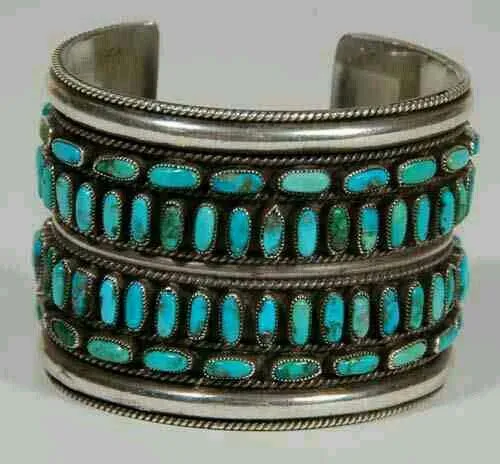
Standing at a jewelry counter, you've probably felt that nagging uncertainty—what if this vibrant blue stone isn't truly turquoise? That heirloom necklace from your grandmother, the souvenir bracelet from your travels, even the statement ring you've been eyeing online—they could potentially be synthetic substitutes disguised as authentic mineral treasures. Turquoise's millennia-long prestige as a protective and decorative stone ironically made it one of the most reproduced gems on earth. And frankly, the common advice swirling around can be misleading. We've all heard the myths: "Real turquoise must be perfectly blue," or "Any lines through the stone mean it's fake." Well, prepare for some revealing nuances. Whether you're a collector examining potential investments or safeguarding family heirlooms, this guide unpacks seven surprisingly accessible verification methods that work with standard jewelry tools and everyday observations.
Common assumptions about color perfection often contradict turquoise's natural formation
Matrix patterns actually confirm authenticity when scientifically understood
Geographic labeling proves less reliable than physical mineral testing
Surface features at microscopic levels reveal manufacturing origin
Hardness consistency matters more than absolute scratch resistance
Many buyers naturally assume authentic turquoise appears uniformly sky-blue based on iconic jewelry pieces and marketing images. This creates expectations that genuine stones should display consistent pigmentation without tonal variations or complex color structures. People often interpret variations as flaws rather than recognizing them as evidence of mineral formation processes where copper and iron interact uniquely in each deposit.
Genuine turquoise exhibits distinctive color variations across blue-green spectrums within a single specimen—a direct result of copper/aluminum-rich groundwater depositing minerals in host rocks at different concentrations. Stones with perfect monochromatic coloring actually warrant extra scrutiny for artificial treatment or complete simulation. Remember, iron/copper ratios naturally dictate color development, creating individual stones that may shift from robin's-egg blue to sea green. Such organic gradations demonstrate geologic authenticity rather than indicating lower quality. The key lies in identifying dye concentration patterns common in howlite and magnesite imitations.
A popular misconception suggests visible matrix lines automatically signal lower-quality or fake turquoise. This assumption makes buyers gravitate toward flawless, unmarked stones under the belief that valued turquoise should appear pristine and monolithic. The preference often stems from synthetic alternatives that completely eliminate these natural formations.
Scientifically documented spiderweb matrix veins represent actual fragments of host rock encapsulated within genuine turquoise formations. These intricate patterns verify authentic mineral development over millennia as groundwater deposits minerals around existing rock structures. Under 10x magnification, naturally branching veins reveal three-dimensional integration while painted lines on dyed stones appear superficial. This characteristic webbing often increases collector value when displayed artistically. Prolonged light exposure may gradually alter matrix contrast but preserves fundamental structural integrity in authentic specimens.
Matrix Integration: Use a 10x loupe along fracture lines to examine vein depth. Three-dimensional branching indicates natural formation, while surface-level lines suggest artificial application.
Surface Texture Analysis: Tilt stones beneath a light source to detect microscopic pits invisible from direct view. These micro-pits manifest naturally porous textures distinctly different from manufactured resins or glass.
Labels like "Persian turquoise" or "Nevada-mined" often inspire misplaced confidence, with buyers assuming geographic designations automatically guarantee mineral authenticity. Sales rhetoric tends to emphasize origin stories while obscuring fundamental material characteristics that truly determine legitimacy.
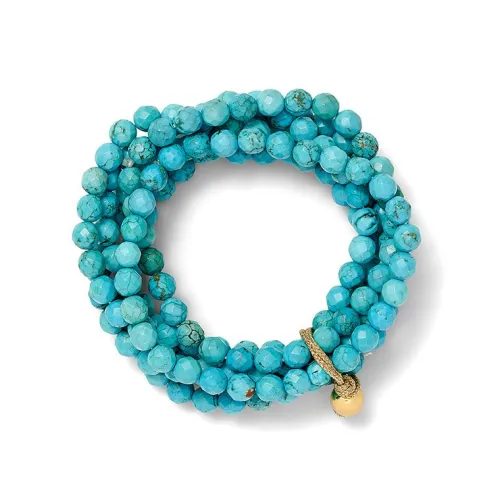
Verifiable mineral properties remain more reliable verification points than geographic claims. Localities genuinely influence appearance tendencies—Sleeping Beauty turquoise typically exhibits clear robin's-egg blue tones while Kingman specimens often contain signature spiderweb patterns—but overlaps occur across locations. Documentation matching accepted mine characteristics supports assessment but shouldn't replace physical inspection methods like specific gravity testing, which distinguishes natural stone (2.60-2.90 density) from polymer composites or plastic substitutes. Professional gemologists prioritize trace element signatures through spectrometry when validating high-value pieces rather than relying solely on provenance paperwork.
A prevailing belief claims perfectly glossy surfaces indicate premium quality turquoise, causing many buyers to dismiss stones with waxy or uneven finishes. Commercial synthetic variations exploit this misunderstanding by delivering unnaturally consistent high-shine surfaces unavailable in natural specimens.
Authentic material typically displays microscopic porosity under magnification—a quality absent in glass or resin copies. This texture creates soft wax-like reflections rather than crisp mirror-like qualities. Surface dimpling becomes evident when rotating pieces under focused light without magnification tools. Stabilized turquoise (resin-treated but mineral-based) may showcase brighter UV fluorescence yet retains visible fracturing patterns distinct from purely manufactured materials. Genuine specimens generally absorb heat more slowly than synthetics, noticeable during simple warmth tests against skin.
The assumption that all turquoise possesses identical hardness levels overlooks the mineral's natural formations, potentially misguiding wear and storage practices. People often believe any durable blue stone qualifies as turquoise regardless of its physical properties.
Authentic turquoise consistently scores 5–6 on the Mohs hardness scale—resisting scratches from materials like copper coins. Softer compounds visibly mark when tested, signaling possible polymer-based or dyed simulants. Geological variations cause specific gravity to fluctuate between 2.60–2.90, distinguishing pure minerals from polymer-infused or pressed composites during water-displacement tests. Crucially, stabilization treatments enhance durability through resin infusion but represent a distinct category differing from untreated specimens. These stabilized pieces remain valuable but require accurate categorization separate from naturally resilient stones.
Approaching turquoise verification requires balancing methodical observation against common preconceptions. Keep jeweler's loupes accessible for sudden finds, and if dealing with significant investments, professional gemologists bring calibrated equipment like refractometers that detect synthetic variants instantly. Remember these quick-reference points when evaluating mysterious stones: Prioritize pieces showing naturally occurring matrix configurations over suspicious uniformity; consider stones resisting copper scratches as more likely authentic; and compare weights against verified specimens to catch polymer-filled alternatives. For pieces claiming geographic origins, documentation should correlate with region-specific characteristics. Most importantly, view perfection as a red flag—authentic turquoise carries millions of years of natural history in its subtle variations. Stay observant, stay curious, and trust your growing mineral-verification knowledge.
Q: Why does authentic turquoise sometimes change color?
A: Natural turquoise may gradually shift tones over years due to chemical reactions with cosmetics, sunlight's UV radiation, or skin acidity. This characteristic aging affects iron/copper ratios rather than indicating damage—though synthetic dyes more dramatically fade.
Q: Can genuine turquoise be scratched by common objects?
A: Authentic turquoise resisting copper scratches confirms appropriate Mohs hardness. However, diamonds or hardened steel might mark the surface since natural variations place durability between window glass and steel knives—requiring reasonable protection despite good jewelry resilience.
Q: What distinguishes stabilized turquoise from natural stones?
A: Resin stabilization permanently strengthens porous turquoise through polymer infusion—a valuable treatment enhancing jewelry durability. Magnified fracture patterns detect resin presence, while UV light often reveals distinct fluorescence absent in completely untreated minerals.


$
